
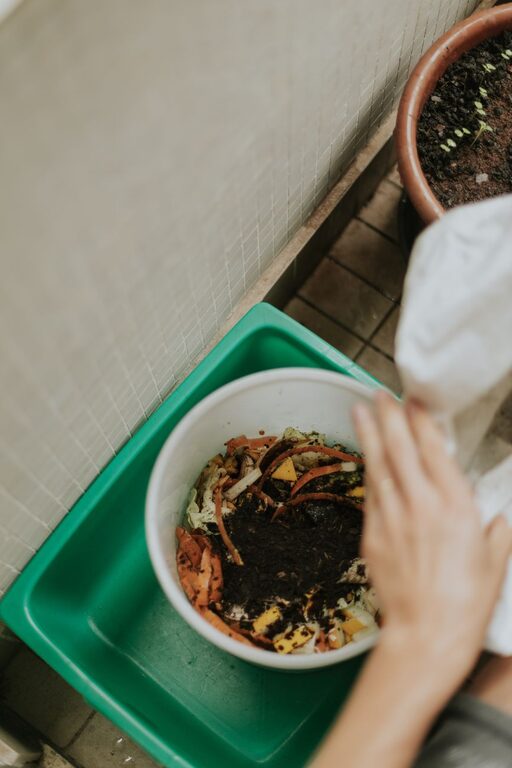
Composting is a simple way to turn everyday food scraps and yard waste into a useful soil amendment. Instead of sending organic waste to the trash, you can let it break down naturally and use the finished compost in gardens, containers, and flower beds.
You do not need a large yard or expensive equipment to begin. With the right setup, a small outdoor bin, indoor collection container, or worm bin can make composting manageable for almost any home.
Choose the Right Composting Method
The best composting method depends on your available space, the type of waste you produce, and how much time you want to spend maintaining the system.
Outdoor compost bin
An outdoor bin is a good choice if you have a yard and want to compost food scraps along with leaves, grass clippings, and small plant trimmings. You can purchase a ready-made bin or build a simple enclosure from untreated wood or wire mesh.
Place the bin on level ground with good drainage. A location with partial shade can help prevent the pile from drying out too quickly, while some sunlight can help maintain warmth.
Compost tumbler
A compost tumbler is a sealed container that rotates on a stand. Turning the container makes mixing easier and can help the materials break down more evenly. Tumblers are useful for small yards, but they may hold less material than a traditional bin.
Worm composting
Worm composting, also called vermicomposting, uses special composting worms to process food scraps. It can work indoors or outdoors in a shaded location. A worm bin is especially useful for apartments or homes without yard space.
Worm composting requires a suitable container, bedding, moisture control, and the right food scraps. It is different from regular composting, so read the care instructions for your particular system before adding materials.
Community composting
If home composting is not practical, look for a local compost collection service, community garden, or drop-off program. Some programs provide a countertop container and collect scraps on a regular schedule.
Understand Green and Brown Materials
A healthy compost pile needs a mixture of “green” and “brown” materials.
Green materials are generally moist and rich in nitrogen. They help support the activity of microorganisms that break down the pile. Examples include:
– Fruit and vegetable scraps
– Coffee grounds and paper filters
– Fresh grass clippings
– Fresh plant trimmings
– Plain cooked grains in small amounts
Brown materials are usually dry and rich in carbon. They add structure and help air move through the pile. Examples include:
– Dry leaves
– Shredded plain cardboard
– Uncoated paper
– Small twigs
– Untreated sawdust
– Straw
A useful starting point is to add roughly two or three parts brown materials for every one part green material by volume. You do not need to measure every addition. If the pile smells unpleasant or looks wet and compacted, add more browns. If it is dry and not breaking down, add more greens and a little water.
Know What to Add
Most compost systems can handle a variety of plant-based materials. Cut large pieces into smaller pieces when possible, since smaller materials break down more quickly.
Good additions include:
– Vegetable and fruit peels
– Eggshells, crushed into small pieces
– Coffee grounds and paper filters
– Tea leaves and plain paper tea bags
– Wilted flowers
– Grass clippings
– Dry leaves
– Plain cardboard torn into pieces
– Paper towels without cleaning chemicals
Before adding paper products, check that they are plain and free from plastic coatings, heavy inks, or glossy finishes. Remove stickers from fruit and vegetable scraps, since the stickers do not compost easily.
Know What to Leave Out
Some materials can attract pests, create odors, or introduce unwanted substances. Unless your local composting program specifically accepts them, avoid adding:
– Meat, fish, and bones
– Dairy products
– Greasy or oily foods
– Pet waste
– Diseased plants
– Weeds that have gone to seed
– Coal or charcoal ash
– Treated wood
– Plastic, glass, and metal
Small amounts of plain cooked food may be accepted in some systems, but they can attract animals in an open backyard pile. When in doubt, check the instructions for your bin or local composting service.
Build Your Compost Pile Properly
Start with a layer of coarse brown materials, such as small twigs or dry leaves. This helps air move into the bottom of the pile. Add alternating layers of green and brown materials, or simply mix them as you add new scraps.
Cover fresh food scraps with a layer of brown material. This can reduce odors and make the pile less appealing to flies and other pests.
Avoid creating a very large pile if you are just starting. A manageable pile is easier to turn and monitor. If you use a countertop collection container, empty it regularly so food scraps do not become overly wet or begin to smell.
Monitor Moisture and Airflow
Compost should feel damp, like a wrung-out sponge. It should not be dripping wet or so dry that materials remain unchanged.
If the pile is too wet:
– Add dry leaves, shredded cardboard, or straw
– Mix the materials to improve airflow
– Check whether the bin is exposed to heavy rain
If the pile is too dry:
– Add a small amount of water
– Mix in fresh grass clippings or vegetable scraps
– Cover the pile loosely to reduce moisture loss
Air is also important. Turn the pile with a garden fork every week or two, or whenever it becomes compacted. Turning adds oxygen and distributes moisture. A compost tumbler can be rotated according to the manufacturer’s instructions.
Avoid Common Beginner Problems
Bad odors
A strong rotten smell usually means the pile is too wet, too compacted, or overloaded with green materials. Add dry browns and turn the pile. Make sure excess water can drain away.
Flies and pests
Bury food scraps in the center of the pile and cover them with brown materials. Use a secure lid if animals are a concern. Avoid meat, dairy, and oily foods in open bins.
Slow decomposition
Large pieces, cold weather, low moisture, and too many dry materials can slow the process. Chop scraps, add a little moisture, and mix the pile. Composting naturally takes time, especially during colder months.
Mold
Some white or gray mold is a normal part of decomposition. Mix the affected material into the pile and maintain a balanced mix of greens and browns. However, a thick, soggy layer may indicate poor airflow or too much moisture.
Know When Compost Is Ready
Finished compost is dark brown, crumbly, and earthy-smelling. You should not be able to recognize most of the original food scraps or plant materials. Depending on the materials, method, temperature, and season, compost may take several weeks to many months.
Let finished compost rest for a short period before using it. If large pieces remain, return them to the active pile. You can also sift the compost to separate fine material from larger pieces.
Use finished compost by:
– Mixing a small amount into garden soil
– Adding it to raised beds before planting
– Spreading a thin layer around established plants
– Blending it into potting mixtures in moderation
– Adding it to a lawn or flower bed as a light top dressing
Compost improves soil structure and adds organic matter, but it should not replace all other soil components. Start with small amounts and observe how your plants respond.
Start Small and Keep Learning
The easiest way to succeed is to begin with a simple system and a limited range of materials. Collect fruit and vegetable scraps, coffee grounds, dry leaves, and plain cardboard. As you learn how your pile behaves, you can adjust the moisture, balance, and turning schedule.
Composting does not need to be perfect. A little patience and regular observation are more important than following an exact formula. With time, your kitchen scraps and yard waste can become a valuable resource for a healthier, more productive garden.