
Food waste is a common household problem, but small changes can make a meaningful difference. Food may be wasted because too much was purchased, leftovers were forgotten, or fresh ingredients were not stored properly. By planning ahead and using food more carefully, you can reduce waste while saving time and money.
Start With a Quick Kitchen Check
Before shopping, look through your refrigerator, freezer, and pantry. Knowing what you already have helps prevent duplicate purchases and reminds you to use ingredients that may be nearing their best quality.
Make a simple list of foods that should be used soon, such as:
– Fresh produce that is becoming soft
– Open containers of dairy products
– Cooked leftovers
– Bread and baked goods
– Canned or packaged foods that have already been opened
You do not need a detailed inventory of every item. A short “use first” list on your refrigerator or phone can be enough to guide your meals during the week.
Plan Flexible Meals
Meal planning can help you buy only what you need. However, a rigid plan may not work if your schedule changes. Instead, plan a few main meals and leave room for leftovers, quick meals, or ingredients that need to be used first.
Try choosing meals that share ingredients. For example, a bunch of herbs might be used in a soup, a salad, and a pasta dish. Roasted vegetables can be served as a side one day and added to a wrap or grain bowl the next.
A flexible weekly plan might include:
– Two or three planned dinners
– One leftover night
– One simple pantry meal
– A meal based on fresh ingredients that need attention
– Extra portions for lunches
This approach reduces the chance that food will sit unused while still giving you variety.
Shop With a Clear List
A shopping list is one of the easiest ways to avoid buying more food than you can use. Check your kitchen before making the list, and estimate how many meals you need to prepare.
When shopping, consider:
– How many people will be eating
– How often you plan to cook
– Whether you will eat away from home
– How long fresh foods will keep
– Whether an item is already in your pantry
Be careful with bulk deals. A larger package is not always a better value if part of it will be thrown away. Buy larger quantities only when the food stores well or can be frozen.
Store Food Properly
Proper storage can help food stay fresh longer. Different foods have different storage needs, so a few basic habits can make a big difference.
Keep produce that ripens quickly, such as bananas and avocados, separate from items that are sensitive to ripening gases. Store herbs with care: some keep well in a glass of water, while others last longer wrapped loosely in a damp towel.
Other useful storage tips include:
– Keep refrigerator shelves organized so older items remain visible.
– Store foods in clear containers when possible.
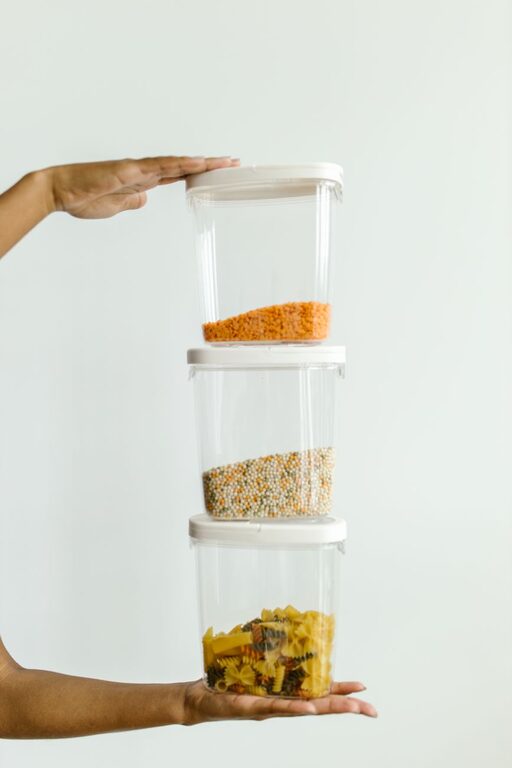
– Keep dry goods in sealed containers to protect quality.
– Place newer items behind older ones.
– Use labels to mark the date a container was opened or prepared.
– Let hot food cool appropriately before storing it in the refrigerator.
Organizing food by use date helps prevent forgotten items from being pushed to the back.
Understand Food Date Labels
Food date labels can be confusing. In many cases, a quality date does not mean the food must be discarded immediately. Some foods may still be enjoyable after the printed date if they have been stored correctly and show no signs of spoilage.
Use your senses and common sense. Check the food for unusual odors, mold, changes in texture, or damaged packaging. When in doubt about a food’s safety, it is best to discard it.
For foods with a quality date, consider:
– Whether the package has been opened
– How the food has been stored
– Whether its appearance and smell seem normal
– How long it has been in the refrigerator or pantry
Learning the difference between quality and safety information can help prevent unnecessary waste.
Make the Most of Leftovers
Leftovers are convenient, but they are easy to forget. Store them in single-serving containers so they are simple to reheat for lunch or dinner. Keep leftovers where you can see them, and add a reminder to your calendar or phone if needed.
You can also transform leftovers into a new meal. For example:
– Cooked vegetables can become soup, a frittata, or a filling for tacos.
– Rice can be used in fried rice, bowls, or stuffed vegetables.
– Chicken or beans can be added to salads, sandwiches, or pasta.
– Extra pasta can be baked with sauce and vegetables.
– Mashed potatoes can become patties or a topping for a casserole.
Changing the presentation can make leftovers feel less repetitive and more appealing.
Use More of Each Ingredient
Many parts of food that are often discarded can be used in cooking. Vegetable stems, leaves, and peels may add flavor or texture when prepared properly.
Try these ideas:
– Add broccoli stems to stir-fries or soups.
– Use carrot tops in sauces or herb blends.
– Turn stale bread into breadcrumbs or croutons.
– Save vegetable scraps for homemade stock.
– Use citrus zest to add flavor to baked goods and sauces.
– Blend very ripe fruit into smoothies or sauces.
Before using a food part, wash it well and make sure it is suitable for the recipe. Some peels or stems may be tough, so cooking or chopping them can improve the texture.
Freeze Food Before It Goes Bad
Freezing is a useful way to preserve food you cannot use right away. Many fruits, vegetables, breads, cooked grains, and prepared meals freeze well.
For the best results:
– Freeze food in practical portions.
– Remove as much air as possible from storage bags.
– Label containers with the food and date.
– Freeze items while they are still fresh.
– Use a freezer list so older items do not get forgotten.
Soft fruit can be frozen for smoothies, and extra bread can be stored for later use. Cooked meals can also be frozen in individual portions for quick lunches or busy evenings.
Serve Smaller Portions First
Serving too much food can lead to uneaten leftovers. Start with smaller portions and allow everyone to take more if they are still hungry. This is especially helpful when serving children or preparing a meal for people with different appetites.
When hosting guests, offer a variety of dishes without making excessive amounts of each one. If food remains, cool and store it promptly so it can be enjoyed later.
Create a “Use It Up” Routine
Choose one day each week to prepare meals using ingredients that need attention. This might be a soup, stir-fry, grain bowl, pasta dish, or homemade pizza. These meals are flexible and can accommodate a variety of ingredients.
You can also keep a small container in the freezer for food scraps that may be useful later, such as vegetable pieces for stock. A regular use-it-up routine turns waste reduction into a normal part of kitchen management.
Track What You Throw Away
For one week, note the food your household discards and why. You may discover patterns, such as buying too much produce, cooking oversized portions, or forgetting opened containers.
Use what you learn to make one practical change. You might buy fewer fresh items, freeze bread, plan a leftover meal, or store certain foods differently. Reducing food waste does not require perfection. Consistent, manageable habits can help you make better use of the food you buy and create a more organized kitchen.