
A noisy home can make it harder to relax, work, sleep, or enjoy time with family. Everyday sounds such as traffic, footsteps, appliances, pets, and conversations can quickly become distracting. Fortunately, you do not always need expensive construction work to make your home quieter.
Small changes can reduce noise by blocking sound, absorbing echoes, or preventing vibrations. Try the ideas below to create a more peaceful and comfortable space.
Start by Finding the Source of the Noise
Before buying soundproofing products, spend a little time identifying where the noise comes from. Notice when the sound is loudest and which rooms are affected.
Common sources include:
– Gaps around doors and windows
– Hard floors and bare walls
– Loud appliances
– Footsteps from upper floors
– Outdoor traffic or neighborhood activity
– Echoes in large, open rooms
– Vibrations from fans, washers, or HVAC equipment
Understanding the source helps you choose the right solution. For example, curtains may help with outdoor sounds, while a rug is more useful for reducing footsteps and echoes.
Seal Gaps Around Doors and Windows
Small openings can allow a surprising amount of sound into your home. Check the edges of exterior doors and windows for visible gaps, worn seals, or loose frames.
Add Weatherstripping
Weatherstripping is an affordable material that helps seal the space between a door or window and its frame. It can reduce both noise and drafts. Choose a product designed for the size of the gap, then clean and dry the surface before installation.
Use a Door Sweep
A door sweep attaches to the bottom of a door and closes the gap between the door and the floor. This is especially helpful for doors leading to hallways, garages, or outside areas.
For an interior room, a draft stopper can provide a simple temporary solution. It can also help block light and reduce airflow between rooms.
Use Rugs and Soft Flooring
Hard surfaces such as wood, tile, and laminate can make a room sound louder because they reflect sound. Adding soft materials helps absorb noise and reduce echoes.
Try these options:
– Area rugs in living rooms and bedrooms
– Runners in hallways
– Cushioned mats in kitchens and work areas
– Carpet tiles in home offices or playrooms
– A thick rug under a dining table or desk chair
A rug pad can make the biggest difference. It adds another soft layer, keeps the rug in place, and can reduce the sound of footsteps and furniture movement.
Hang Curtains and Add Fabric
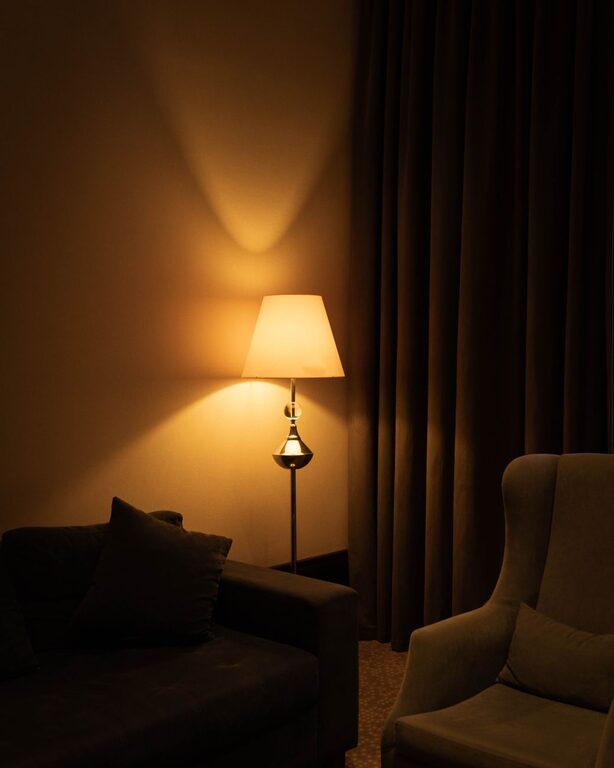
Windows are often one of the thinnest barriers between your home and outdoor noise. Heavy curtains can help soften sounds from streets, neighbors, and weather.
Choose curtains made from thick, tightly woven fabric. Floor-to-ceiling curtains are useful because they cover more wall area and reduce sound reflections around the window.
You can also add fabric in other parts of the room:
– Upholstered furniture
– Fabric wall hangings
– Blankets folded over a sofa
– Cushions and pillows
– A padded headboard
– Fabric storage baskets
These items will not completely block loud sounds, but they can make a room feel noticeably less echoey.
Arrange Furniture to Absorb Sound
Furniture placement can affect how sound moves through a room. Large, soft items absorb more noise than empty walls and floors.
Place bookshelves, wardrobes, or cabinets against walls that face a noisy room or outdoor area. A full bookshelf can help break up sound, especially when the shelves contain books of different sizes.
Sofas and chairs can also reduce echoes. If a room feels especially loud, avoid leaving large areas of wall and floor completely bare. Even a few well-placed pieces can make the space feel quieter.
Reduce Vibrations from Appliances
Some household noise is caused by vibration rather than sound traveling through the air. Washing machines, dryers, refrigerators, fans, and air conditioners can transfer vibrations to floors, walls, or cabinets.
To reduce these sounds:
- Make sure the appliance is level.
- Leave the recommended space around vents and sides.
- Use anti vibration pads under machines.
- Check for loose panels, handles, or screws.
- Avoid placing appliances directly against shared walls.
- Keep moving parts clean and properly maintained.
Do not block vents or take apart an appliance unless you are qualified to do so. For unusual or persistent mechanical sounds, follow the manufacturer’s instructions or contact a qualified technician.
Quiet Common Household Activities
Many household sounds can be reduced through small habit changes. Close cabinets and drawers gently, use felt pads under chairs, and place rubber or silicone mats beneath countertop appliances.
In rooms with hard floors, add protective pads to the legs of tables and chairs. Lift furniture when moving it instead of dragging it. If children play indoors, a foam play mat can soften the sound of toys and footsteps.
You can also reduce kitchen noise by:
– Using a cutting board with a nonslip base
– Closing the dishwasher carefully
– Placing a mat beneath a countertop blender
– Keeping pots and pans organized to prevent rattling
– Adding soft-close hardware to cabinet doors
These changes are simple but can make daily activities less disruptive.
Create a Quieter Bedroom
Noise can be especially frustrating at night. Start by placing the bed away from a shared wall, window, or noisy hallway if possible.
Other helpful ideas include:
– Hanging thick curtains
– Adding a rug beside or beneath the bed
– Using a padded headboard
– Sealing gaps around the bedroom door
– Moving rattling furniture away from walls
– Keeping phones and other alert-producing devices at a lower volume
A steady background sound, such as a fan or a dedicated sound machine, may help cover occasional noises. Keep the volume comfortable and make sure devices do not create additional vibrations.
Improve a Home Office or Study Area
A quieter workspace can make it easier to focus. If possible, choose a room away from the kitchen, laundry area, and main entryway.
For additional noise control:
– Place a bookcase behind your desk
– Use a rug beneath your chair
– Hang curtains over nearby windows
– Add fabric wall panels or artwork
– Close doors during calls
– Use headphones during focused work
If you use a microphone for meetings, positioning it closer to you can reduce the need for high volume and may make background sounds less noticeable to others.
Consider Acoustic Panels
Acoustic panels are designed to absorb sound and reduce echoes. They are most useful in rooms with hard surfaces, such as home offices, media rooms, dining areas, and open living spaces.
Panels work best when placed near the main sound source or on large, empty walls. They can be found in many colors and designs, so they do not need to look industrial. However, acoustic panels mainly reduce echo inside a room. They do not completely block noise from entering or leaving the space.
Combine Several Small Improvements
The most effective approach is usually a combination of methods. Seal gaps first, then add soft materials and address vibrations. For example, a bedroom may become much quieter with weatherstripping, a thick curtain, a rug pad, and felt pads under nearby furniture.
Start with changes that are affordable and easy to reverse. Test each improvement and notice whether it reduces the type of noise that bothers you most. With a few thoughtful adjustments, your home can feel calmer without a major renovation.